
Moving to Massachusetts with a tinted vehicle can create a few surprises. A tint setup that was legal in your previous state may not meet Massachusetts requirements. This is especially important if your vehicle has darker aftermarket tint, privacy glass, or tint that was installed before you bought the car.
Massachusetts looks at window tint as a visibility and safety issue, not just a style choice. That means drivers moving into the state should check their tint before registration, inspection, or daily driving becomes a problem.
Before making changes, start by reviewing Massachusetts tint laws so you understand what local rules expect.
Why Out-of-State Tint Can Cause Problems
Tint laws are not the same across the country. Some states allow a darker tint on certain windows, while others are stricter about how much visible light must pass through. Because of this, a vehicle that passed inspection somewhere else may still fail in Massachusetts.
This often happens when someone buys a car out of state or moves from a state with different tint standards. The tint may look normal to the driver, but it can still be too dark under Massachusetts rules.
The issue is usually not whether the tint looks good. It is whether it meets the legal visibility standard once the car is being driven and inspected in Massachusetts.
What Massachusetts Law Looks at First
Massachusetts law focuses heavily on visible light transmission, often called VLT. VLT measures how much visible light can pass through the window and tint combined. A lower VLT percentage means a darker window.
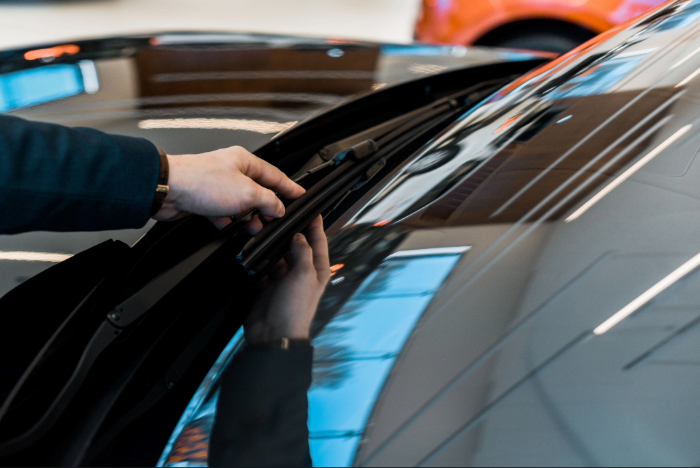
Massachusetts also has rules about where tint can be applied. According to Mass.gov, tinted glass waivers may allow additional tinting on the front side windows, rear side windows, or rear window, but windshields may not be tinted below the AS-1 line, which is the uppermost six inches.
This is why it is risky to assume your tint is fine based only on appearance. Two vehicles can look similar, but test differently depending on the factory glass and the aftermarket film installed over it.
How to Check If Your Tint Is Legal Here
The most reliable way to check your tint is to have it measured with a tint meter. A tint meter reads the actual visible light transmission through the glass and film together.
You can ask a reputable tint shop, inspection station, or automotive glass professional if they can test the windows. This gives you a clear answer instead of relying on guesswork.
When checking your tint, pay attention to:
- Front side windows
- Rear side windows
- Rear window
- Windshield strip
- Any factory privacy glass
- Any aftermarket film added later
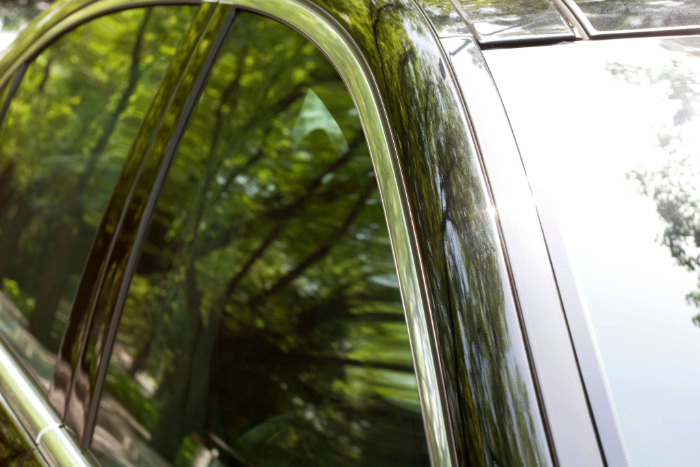
This matters because factory privacy glass and aftermarket film are not the same thing. Factory privacy glass is built into the glass, while aftermarket tint is a film added after the vehicle is made. If aftermarket film is added over already dark glass, the final result may become too dark.
What to Do If Your Tint Is Too Dark
If your tint is too dark for Massachusetts, the safest option is to remove or replace it with a compliant film. This may feel frustrating, especially if the tint was legal where you lived before. However, correcting it early can help you avoid inspection problems, citations, or last-minute removal.
Do not try to solve the issue by guessing at a lighter shade. The existing glass already has its own light transmission level, so adding a new film without measuring can still create a non-compliant result.
A good tint shop should be able to explain your options clearly. They may recommend full removal, replacement with a lighter film, or leaving certain factory-tinted windows alone if they are already compliant.
When You Might Need to Remove or Replace It
Removal or replacement is usually worth considering if the tint is visibly dark, bubbling, peeling, or unclear. Even if the shade is close to legal, a damaged tint can still create visibility issues.
You may also need to act quickly if your vehicle is due for a Massachusetts inspection. During inspection, tint may be evaluated for compliance, and non-compliant tint can become a reason for failure. A state-licensed inspection can include a tint meter reading for aftermarket tint, with results compared against legal limits.
Replacement is also a good opportunity to upgrade the quality of the film. Instead of choosing the darkest look possible, many drivers choose a film that improves heat and glare control while staying within legal limits.
How to Get Legal Without Guessing
The best approach is step-by-step. First, learn the law. Next, measure the tint. Then, decide whether removal or replacement is needed.
A simple process looks like this:
- Review Massachusetts tint rules.
- Have your windows tested with a tint meter.
- Ask whether the reading includes both glass and film.
- Remove tint that is too dark or damaged.
- Replace it with a compliant film if you still want tint.
- Keep records from the shop if available.
This process helps you avoid assumptions. It also gives you a clearer path if you recently moved, bought a vehicle out of state, or are preparing for an inspection.
If you have a medical need for a darker tint, Massachusetts has a tinted glass waiver process through the RMV. Mass.gov explains that these waivers are issued by the RMV and allow additional tinting for certain vehicle windows, but not below the windshield AS-1 line.
Make the Move Easier Before the Inspection
Moving to Massachusetts already comes with enough paperwork and vehicle tasks. Checking your tint early can help you avoid one more unexpected problem.
If your tint is legal, you gain peace of mind. If it is too dark, faded, or poorly installed, you can fix it before it becomes stressful. The important part is not to assume that out-of-state tint automatically meets Massachusetts standards.
For more local guidance, visit Mass Tint Guide or browse the Mass Tint Guide blog for more helpful articles before registration, inspection, or replacement.