
Window tint laws can become confusing when you travel across state lines. A tint setup that seems normal in Massachusetts may not be treated the same way in another state. This matters because each state sets its own rules for how dark your windows can be, where tint can be applied, and whether medical exemptions are recognized.
For travelers, the main issue is not only whether your tint looks dark. It is whether your vehicle meets the rules in the state where you are driving. Some states are more restrictive than others, especially when it comes to front side windows, windshield tint, and reflective film.
Before planning a long trip, start by reviewing Massachusetts tint laws so you understand your home-state baseline.
Helpful Resource: Review Massachusetts Tint Laws
Why Some States Are Tougher on Window Tint
Window tint rules are usually based on visibility and safety. States want drivers to see clearly, especially at night, in bad weather, and during traffic stops. Law enforcement visibility is also a common reason for stricter tint limits.
Most tint laws use visible light transmission, often called VLT. VLT measures how much visible light passes through the window and tint combined. A higher VLT percentage means more light comes through, while a lower percentage means darker tint.
For example, 70 percent VLT is much lighter than 35 percent VLT. That is why states requiring higher VLT percentages are generally considered stricter for drivers who prefer darker tint.
What Makes a Tint Law Strict?
A strict tint law is not based on one rule alone. Several details can make a state more difficult for travelers with darker tint.
Strict rules may include:
- High VLT requirements for front side windows
- Limits on rear side or back window tint
- Tight windshield tint restrictions
- Reflective tint limits
- Required stickers or certifications
- Annual inspection enforcement
- Limited medical exemption flexibility
Some states allow darker tint on rear windows but are very strict about the front side windows. Others may allow certain tint levels but enforce windshield or reflectivity rules more closely.
This is why travelers should avoid judging a state by one percentage alone. The full rule set matters.
States Where Drivers Should Be Extra Careful With Dark Tint
Several state-by-state tint law references identify states such as California, New York, Pennsylvania, Rhode Island, Alaska, New Jersey, and Vermont as places where drivers should be especially careful with darker tint, particularly on front side windows. Some of these states require very light tint on front windows, while others restrict or prohibit certain aftermarket front window tint setups.
For Massachusetts drivers, nearby states deserve extra attention. Rhode Island, New York, Vermont, Connecticut, New Hampshire, and Maine may each handle window tint differently. Even a short trip can involve multiple sets of rules if you are driving through New England or into the Mid-Atlantic.
This does not mean every tinted vehicle will be stopped when entering one of these states. It means darker tint can create more risk if your vehicle is already close to the legal limit, difficult to see into, or paired with another traffic issue.
Tint Rules That Can Cause Problems When Traveling
The front side windows are often the biggest concern because they affect driver visibility and law enforcement visibility during traffic stops. If your front windows are dark, they may attract more attention than rear windows.
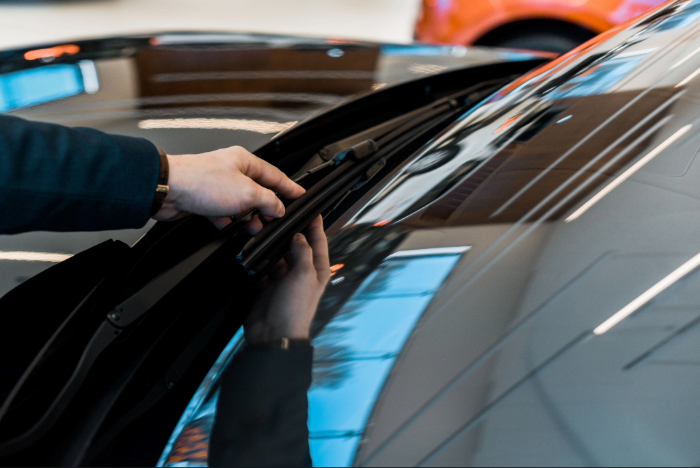
Windshield tint is another common issue. Many states only allow tint along the top portion of the windshield, often near the AS-1 line. Tint applied too far down the windshield can create problems even if the side windows are legal.
Reflective tint can also be an issue. Some drivers focus only on darkness, but reflectivity rules may apply separately. A film that looks mirrored or highly reflective may be restricted even if the VLT percentage is acceptable.
Travelers should also think about medical exemptions. A medical waiver or exemption from one state may not always be handled the same way elsewhere. If you rely on documentation, keep it in the vehicle and check the rules for the states on your route.
How Massachusetts Drivers Can Plan Ahead Before Long Trips
The safest approach is to know your tint before you travel. If you do not know the actual percentage, have it measured with a tint meter. Guessing by appearance is not reliable because factory glass and aftermarket film work together to determine the final VLT.
Before driving through another state, check:
- Your actual tint percentage
- The tint laws in every state on your route
- Front side window requirements
- Windshield strip rules
- Reflective tint limits
- Medical exemption rules
- Whether your tint is damaged, peeling, or hard to see through
You can also read How MA Tint Laws Compare to Neighboring States for more regional context before traveling.
Should You Change Your Tint Before Traveling?
Not every trip requires changing your tint. If your vehicle is legal in Massachusetts, lightly tinted, and easy to see through, you may not need to do anything beyond checking your route.
However, replacement may be worth considering if your tint is very dark, already damaged, or close to the legal limit in stricter states. This is especially true if you travel often or drive through multiple states for work, school, or family commitments.
A more conservative tint setup can reduce stress because it gives you more flexibility across state lines. It may also improve nighttime visibility and make the vehicle easier to drive in bad weather.
Travel With Fewer Tint Problems
The strictest tint laws are usually the ones that require lighter front side windows, limit windshield tint, restrict reflective film, or enforce compliance closely. For Massachusetts drivers, the best approach is not to memorize every state’s rules. It is to check your route, know your tint percentage, and avoid assuming that one state’s rules apply everywhere.
If your tint is dark, undocumented, or close to the limit, take time to review the rules before your trip. A little planning can help you avoid tickets, delays, or unexpected correction requirements.
For more Massachusetts-focused tint guidance, visit Mass Tint Guide or browse the Mass Tint Guide blog before your next drive.
Helpful Resource: Explore More Massachusetts Tint Articles