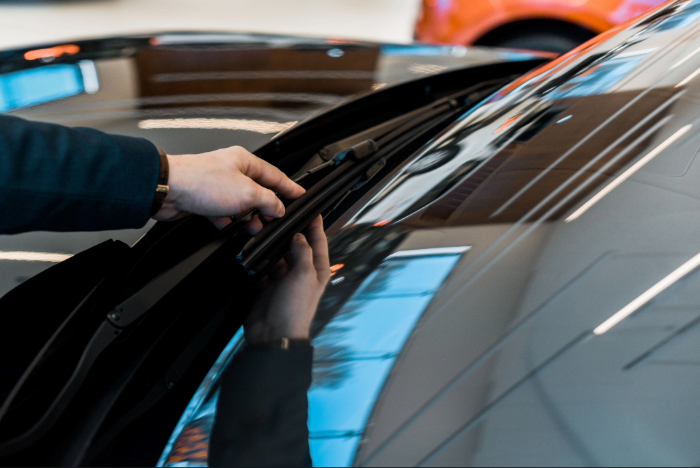

Luxury vehicles are built with more attention to comfort, materials, technology, and appearance. Because of that, window tint should be chosen carefully. A rushed or low-quality tint job can stand out more on a high-end vehicle than it would on an older daily driver.
For Massachusetts drivers, luxury car tint is not only about creating a cleaner look. It can also help reduce glare, improve cabin comfort, protect interior materials, and preserve the overall feel of the vehicle. However, film quality, legal limits, and installer experience all matter.
Before booking an appointment, review Massachusetts tint laws so you understand what is allowed before choosing a film.
Helpful Resource: Review Massachusetts Tint Laws
Luxury Car Window Tint in Massachusetts
Window tint can complement the look of a luxury car, but it should not be treated as a simple cosmetic add-on. High-end vehicles often have advanced glass, premium interiors, sensors, screens, and trim that require careful handling during installation.
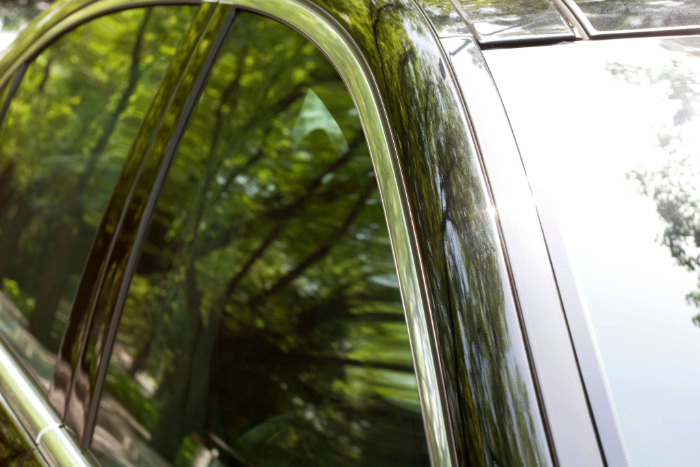
A good tint setup should look clean and balanced with the vehicle’s design. It should not create rough edges, dust under the film, uneven shades, or visibility problems. On a luxury vehicle, small installation mistakes are often easier to notice because the rest of the car already has a refined finish.
The goal is to improve comfort and protection while keeping the vehicle looking factory-clean.
Why Film Quality Matters More on High-End Vehicles
Film quality matters on every vehicle, but it becomes even more important on luxury cars. Lower-quality film may fade, bubble, peel, or discolor over time. When that happens, it can make an otherwise well-kept vehicle look neglected.
Better film usually offers stronger durability, improved heat rejection, better optical clarity, and a more consistent appearance. Optical clarity is especially important because luxury drivers often expect a clean view through the glass without distortion, haze, or uneven coloring.
Quality film may cost more upfront, but it can reduce the chance of early replacement. For a high-end vehicle, that long-term value often matters more than saving a small amount during installation.
Ceramic Tint vs Basic Film for Luxury Cars
Basic dyed film is usually the more affordable option. It can add shade and some privacy, but it may not offer the same heat rejection, durability, or long-term appearance as higher-quality options.
Ceramic tint is often a better fit for luxury vehicles because it is designed to improve comfort without relying only on darkness. Many drivers choose ceramic film because it can help reduce heat and glare while keeping visibility and appearance more refined.
A simple comparison looks like this:
- Basic dyed film: Lower cost, basic appearance, usually less heat control.
- Carbon film: Better durability and appearance than basic dyed film.
- Ceramic film: Stronger heat and glare control, better clarity, and a more premium feel.
The best choice depends on the vehicle, budget, driving habits, and how long you plan to keep the car. However, luxury car owners often benefit from choosing film based on performance and clarity, not just shade.
How Tint Can Protect Leather, Screens, and Interior Trim
Luxury interiors often include leather, soft-touch materials, wood, aluminum, piano black trim, digital screens, and detailed stitching. Sun exposure can affect these materials over time.
Window tint can help reduce daily sun exposure inside the cabin. This may help slow fading, drying, and wear on seats, dashboards, door panels, and trim. It can also help reduce glare on screens and instrument panels, which may improve comfort during daytime driving.
Tint is not a complete replacement for proper care. Parking in shade, using sunshades, conditioning leather, and cleaning materials correctly still matter. However, tint can be part of a broader protection plan for keeping a luxury vehicle looking and feeling newer longer.
Why Installation Quality Matters So Much
Luxury vehicles should be handled by a shop that understands careful prep, clean installation, and proper protection of interior surfaces. A poor installation can leave dust, creases, gaps, or scratches that are frustrating on any car but especially noticeable on a premium vehicle.
A careful shop should protect the interior, use clean installation practices, and explain the curing process before you leave. They should also understand how to work around sensitive trim, frameless windows, electronics, and rear defroster lines.
Before choosing a shop, look at examples of their work on similar vehicles. Photos, reviews, and warranty details can tell you a lot about whether the shop is used to handling higher-end cars.
Questions to Ask Before Letting a Shop Tint a Luxury Vehicle
Before booking, ask questions that reveal both product quality and installer experience.
Good questions include:
- What film brands and types do you offer?
- Do you recommend ceramic tint for this vehicle?
- Will this setup comply with Massachusetts law?
- Have you tinted this make or model before?
- How do you protect the interior during installation?
- What warranty comes with the film and labor?
- How long will the curing process take?
- What should I avoid during the first week?
A good shop should answer clearly and patiently. If they rush your questions or only push the darkest option, it may be better to keep looking.
You can also browse the Mass Tint Guide blog for more Massachusetts-focused tint guidance before scheduling.
Choose Luxury Tint With Long-Term Value in Mind
Luxury car tint should improve the vehicle without creating new problems. The right film can reduce glare, improve cabin comfort, protect premium interior materials, and create a cleaner overall appearance.
The best choice is not always the cheapest or darkest option. It is the film and installation that fit the vehicle, stay within legal limits, and preserve the quality of the car.
For more guidance before booking, visit Mass Tint Guide or review Massachusetts tint laws before choosing a film.
Helpful Resource: Explore More Massachusetts Tint Articles
Image Content
Hero
Image Link:
In-Content Image 1
Image Link:
In-Content Image 2
Image Link: