
Many vehicles come from the factory with darker rear windows. This often leads drivers to assume the tint is already legal and that adding film later will not affect anything. Unfortunately, that assumption can cause problems.
In Massachusetts, factory tint does count toward the final legal limit. If you add window film on top of factory glass without understanding how the numbers work, you can easily end up with illegal tint. Before you schedule a tint appointment, it helps to understand how the rules actually work.
What “Factory Tint” Really Means
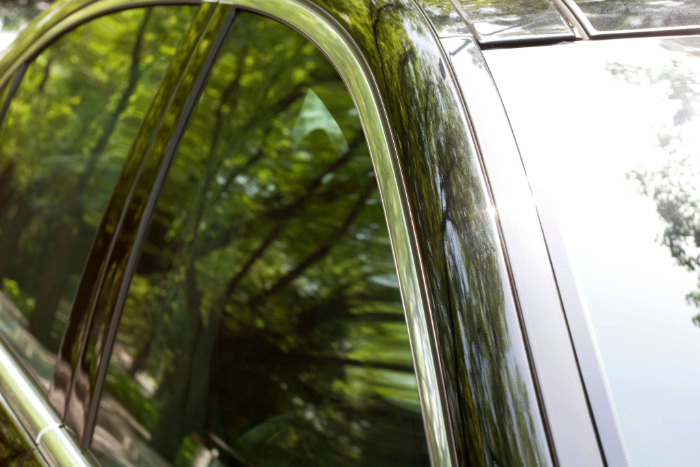
Factory tint is not the same as aftermarket window film. When a vehicle leaves the factory with darker windows, the color is built directly into the glass during manufacturing. This is often called privacy glass.
Privacy glass mainly improves appearance and limits visibility from the outside. It does not provide the same level of UV protection or heat rejection as professional tint film.
Because of this, many drivers decide to add film later for better performance. But once film is added, the factory tint still affects the final darkness of the window.
If you want to better understand how different films and glass types work together, you can explore detailed explanations on the Mass Tint Guide blog.
How VLT Percentages Are Calculated
Massachusetts tint laws are based on something called Visible Light Transmission, often called VLT. This number shows how much light can pass through the window.
For example, a window with 35 percent VLT allows 35 percent of light through the glass.
When you install film, the VLT of the film combines with the VLT of the glass. This means the final percentage is always darker than either layer alone.
For example:
- Factory glass might allow 70 percent of light through
- Tinted film might allow 50 percent of light through
Once combined, the final number becomes lower than either of those values.
This is why measuring the final VLT is important. A film that looks legal on paper can become illegal once it is applied to factory glass. Before installing anything, review the official Massachusetts tint laws so you know the limits.
Why You Can Still Fail Inspection With Factory Tint
Many drivers are surprised when their car fails inspection because of tint. They assume factory windows are always legal, but that is not always the case.
Here are a few situations where drivers run into trouble:
- Adding film to factory-tinted rear windows that pushes the final VLT too low
- Installing darker film on the front side windows without measuring the glass first
- Using reflective or mirrored film that violates state rules
- Purchasing a used vehicle that already has illegal aftermarket tint installed
Even if the glass came from the manufacturer, once additional film is applied, the final tint level becomes what inspectors measure.
If that final number does not meet state requirements, the car can fail inspection.
When Adding Film Makes Sense
Even though factory tint counts toward legal limits, there are still good reasons to install window film.
Factory glass usually provides privacy but limited performance. Professional window film can improve heat rejection, reduce glare, and block harmful UV rays that damage interior materials.
Many drivers add ceramic film over factory glass for better comfort during hot summers. The goal is not always to make the window darker. Often, the goal is simply better heat protection.
Situations where adding film makes sense include:
- Improving heat rejection in vehicles with large rear windows
- Increasing UV protection to prevent interior fading
- Reducing glare for passengers in the back seats
- Matching the appearance of the front windows with the rear glass
A professional installer can help choose the right film percentage so the final result stays legal.
Why Getting a Legal Check First Matters
Before installing film, it is smart to measure the current VLT of your vehicle’s glass. Tint professionals use handheld meters to calculate how much light already passes through the window.
This measurement allows them to recommend a film that keeps the final result compliant with state law.
Without this step, you are guessing. And guessing with tint can lead to inspection failures, tickets, and expensive film removal.
Using a trusted resource like Mass Tint Guide can help you find installers who understand Massachusetts regulations and measure glass before starting any work.
Final Thoughts
Factory tint does count toward Massachusetts legal limits. Even though it comes from the manufacturer, it still affects how dark your windows become after adding film.
Understanding how VLT works and measuring your glass before installation can save you from tickets, failed inspections, and wasted money.
The safest approach is to work with an experienced shop that understands both film performance and state law.
Call to Action
Before adding film to factory tinted windows, make sure your car will stay legal. Visit Mass Tint Guide to find trusted local installers, learn about Massachusetts tint laws, and explore expert advice on the Mass Tint Guide blog. Get your tint done right the first time and avoid costly mistakes later.